Tesla to discontinue Cybertruck production
Musk plans to halt production of the electric pickup in mid-2027 to focus on Cybercab robotaxis
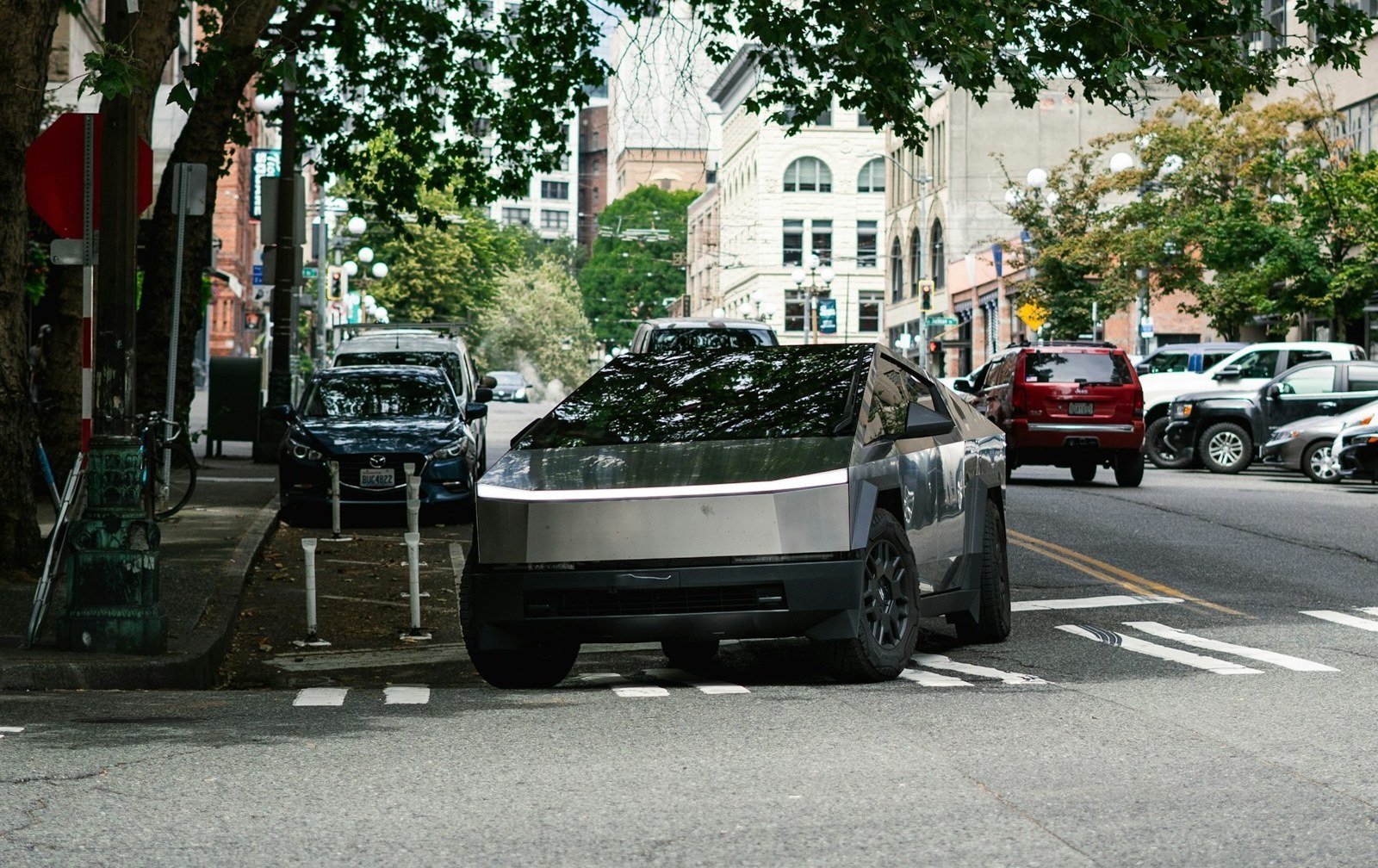
Tesla sold 20,000 Cybertrucks in 2025 and delivered approximately 16,000 units by the time of publication in 2026. Musk announced that around mid-2027, the company will begin phasing out production of the electric pickup at its Texas Gigafactory to free up capacity for Cybercab.
The Cybertruck entered the market in 2023 after several years of delays. Prior to its launch, Tesla received over 1 million pre-orders, and Musk had projected annual sales of at least 250,000 units. However, the vehicle’s unusual trapezoidal design and higher-than-expected price made it difficult to attract buyers.
The stainless steel body finish also made the model a prominent target for protests against Musk and Tesla. In March 2024, owners reported incidents of vandalism and harassment amid nationwide criticism of Musk’s reduction of government spending via DOGE.

Despite this, the pickup gained a devoted following. Some owners converted their Cybertrucks into mobile pizza ovens, while others launched unofficial campaigns to secure the model’s approval for the European market, which has strict vehicle regulations.
Wes Morrill, the lead engineer for the Cybertruck project, confirmed the end of the model’s four-year production cycle in a separate post on X. He described the pickup as a technological platform for development and noted that its solutions would continue to be used in Cybercab.
The largest buyer of the Cybertruck in recent years was another of Musk’s companies, SpaceX. In 2025, it purchased $131 million worth of pickups for use as support vehicles. In response to the announcement about discontinuing production, Musk stated that the Cybertruck fleet would remain in service for a long time.
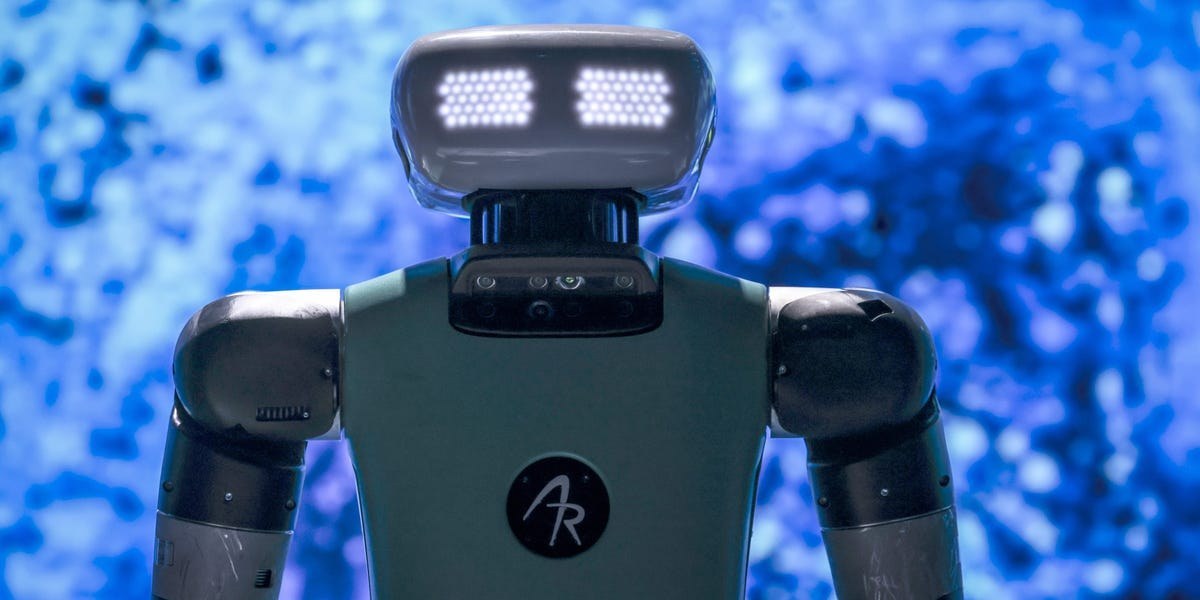
The pickup became the last traditional Tesla model to face discontinuation as the company shifts its focus to robotaxis and humanoid robots. Earlier in 2026, Tesla discontinued the premium Model S and Model X to make room at its factories for the Optimus robot.
Tesla’s robotaxi service has been gradually expanding and is already operational in several cities in Texas and Florida. In October 2026, Musk informed investors that Optimus production had begun, with customer deliveries expected to start by the end of 2027.
Tesla’s board of directors is also considering a potential merger with SpaceX. As a result, Musk’s two public companies, each valued at over $1 trillion, could form a single conglomerate spanning industries from robotaxis to rockets.
Amid these developments, Tesla’s stock rose slightly in premarket trading after declining in previous days. Investors had feared that the Democratic victory in Texas during the midterm elections could impact Musk’s business empire, with an additional factor being the sell-off of stocks in artificial intelligence-related companies.
The drop in Tesla and SpaceX shares on Thursday reduced Musk’s net worth by approximately $80 billion, according to the Bloomberg Billionaires Index. His fortune was subsequently estimated at $785 billion.