Scientists Record Growth of Ozone Hole Over Antarctica
In 2026, the ozone hole over Antarctica reached one of the largest areas observed in history.
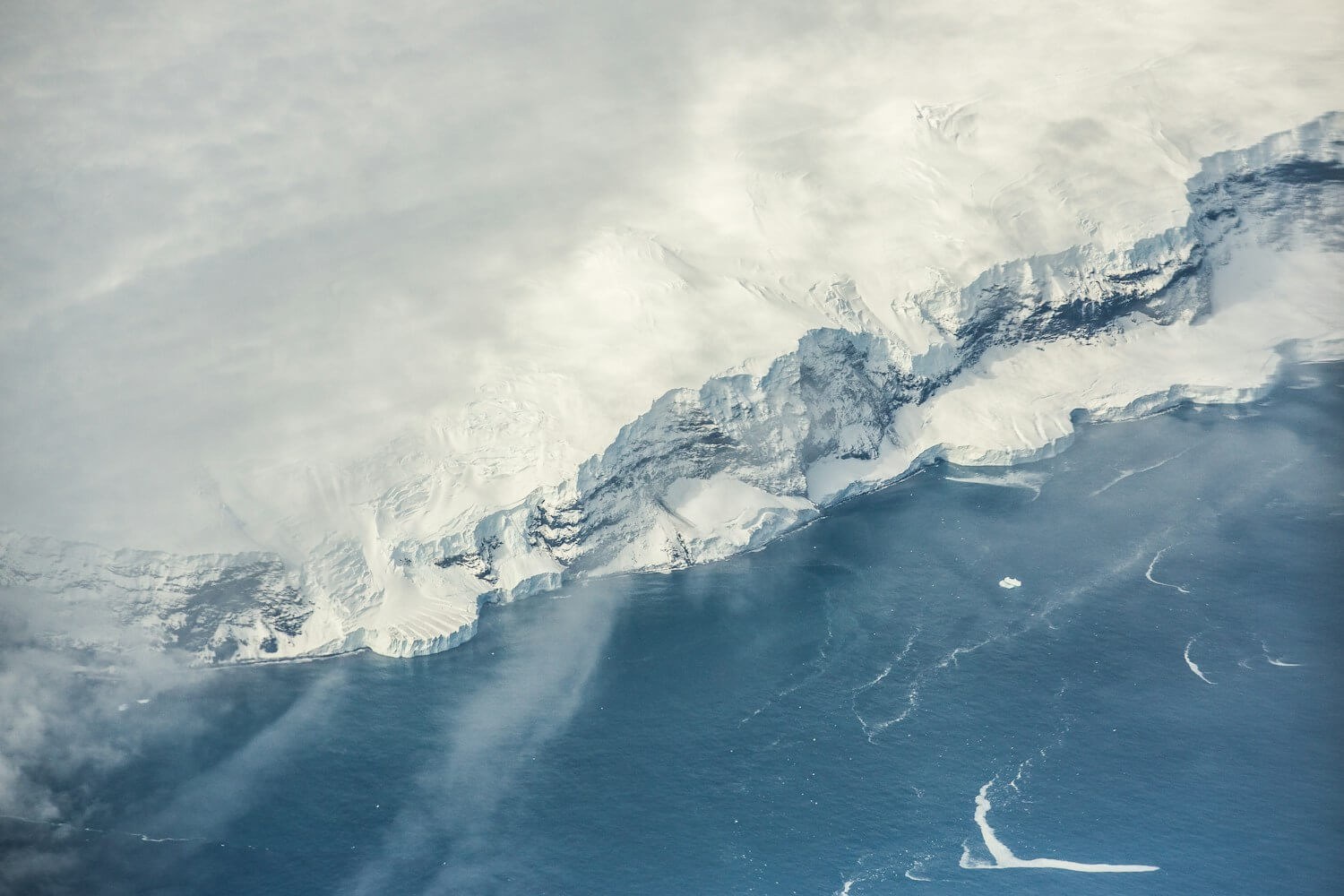
According to data from NASA and NOAA, from September 7 to October 13, its average area was 25 million square kilometers—the seventh-largest figure in 48 years of observations. On September 18, it expanded to 27.1 million square kilometers, reaching approximately 90% of the historical maximum recorded in 2000.
Scientists attribute the unusual size to a strong polar vortex, which kept cold air over Antarctica and created favorable conditions for ozone depletion. However, the depletion was less severe than in the most critical years.
Despite the hole's scale, experts believe the ozone layer is gradually recovering due to international restrictions on ozone-depleting substances. According to NOAA, the chlorine content from such compounds in the Antarctic stratosphere has decreased by about one-third. Full recovery of the ozone layer over Antarctica is expected by the 2070s.