Trump's Trade Policy Intensifies Economic Pressure on the U.S. and Its Partners
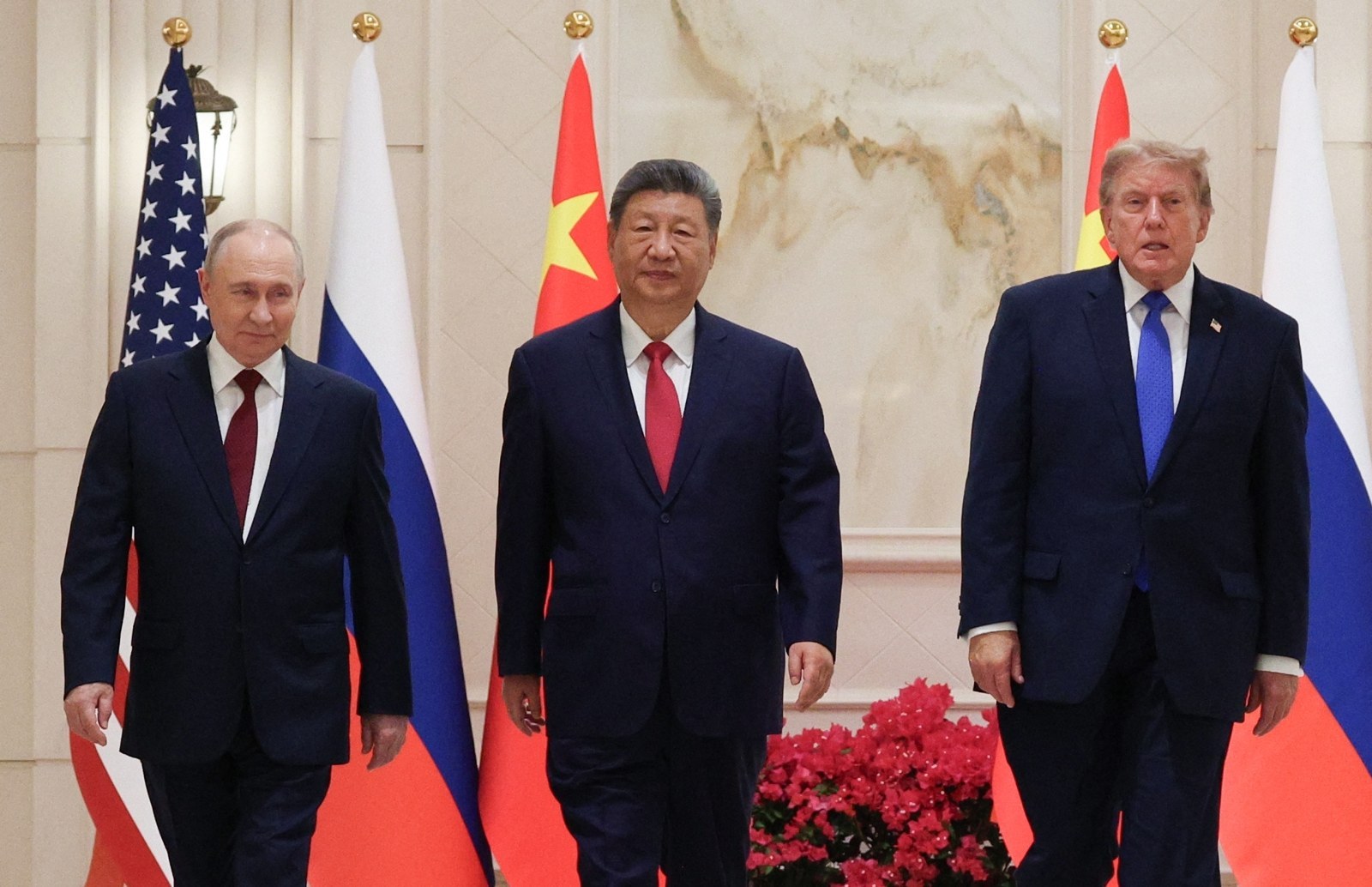
The consequences of U.S. President Donald Trump's trade war are becoming increasingly tangible both domestically and on the international stage. Amid Trump's meeting with Chinese President Xi Jinping and Russian President Vladimir Putin in Shenzhen, tariffs have once again taken center stage in the global agenda.
According to Fortune, American households paid approximately 1,000 dollars in additional taxes due to tariffs last year. The Budget Lab estimates that new tariffs could increase expenses by at least another 900 dollars this year.
A separate dispute arose over the question of returning 166 billion dollars to companies. Major retail chains, including Walmart and Target, lowered prices; however, some retailers faced class-action lawsuits over accusations that they did not pass the benefits on to consumers.
Meanwhile, Canada is strengthening trade relations with China, Europe, and India. A new agreement with Beijing covers around 400 million dollars of Canadian exports and includes the easing of tariffs on Chinese steel and aluminum.
China is also seeking to strengthen its position in global trade. Xi Jinping advocated for market openness and criticized protectionism. Against this backdrop, Washington's trade policy may contribute to further shifts in global economic ties.