194-year-old tortoise's DNA reveals surprising anti-aging secret
Scientists found 287 genetic variants linked to aging resistance in the 194-year-old tortoise Jonathan. Gene regulation for DNA repair and metabolism in him has also remained stable.
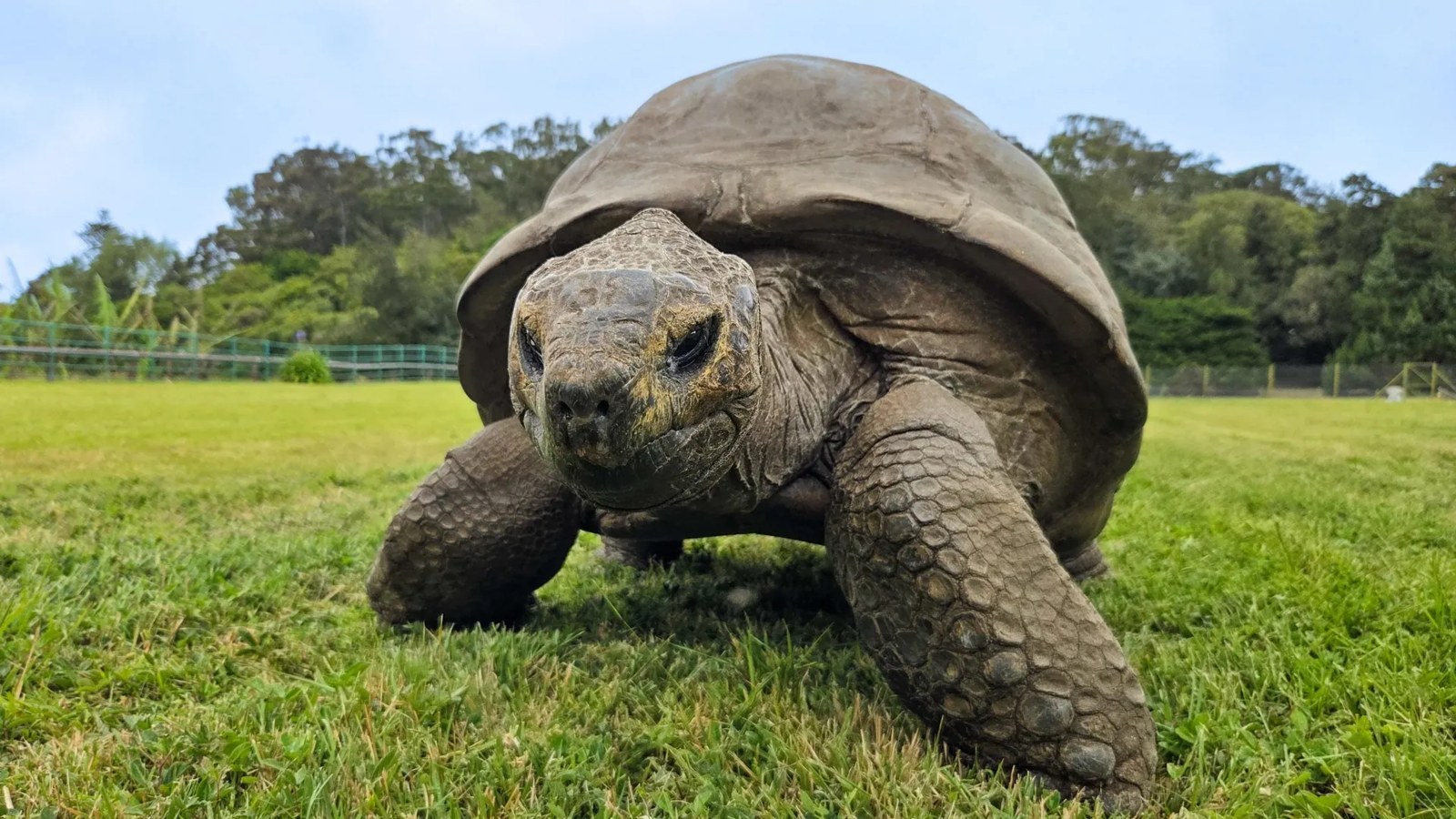
Jonathan is an Aldabra giant tortoise believed to have hatched in 1832. He is considered the oldest known living land animal and the oldest living giant tortoise.
Researchers studied his genome and epigenome—the system of chemical markers regulating gene activity. A comparison with younger tortoises of the same species showed that mechanisms related to DNA repair and metabolism in Jonathan have barely changed. Scientists also identified variants affecting inflammation, insulin action, and cancer suppression.
This is the first study of the epigenome of a giant tortoise. According to biologist Justin Gerlach from the University of Cambridge, who participated in the work, gene regulators linked to energy production and DNA repair have remained stable for nearly two centuries.

Jonathan has spent most of his life on the island of Saint Helena, where he resides on the grounds of the governor’s residence. He was brought to the island from the Seychelles 144 years ago as a fully grown adult.
The authors of the study believe that studying long-lived animals may help understand aging mechanisms and, in the future, suggest approaches to treating age-related diseases in humans. However, developing such methods will require further research.