Japanese scientists develop new method to combat gum disease
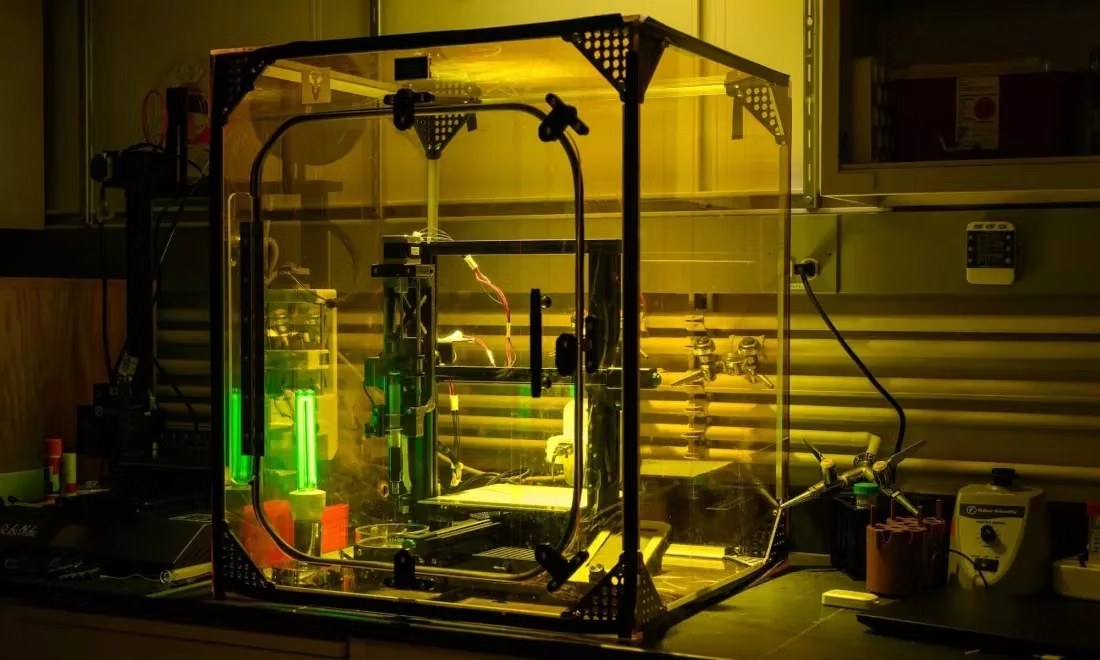
Researchers from Nagoya University have proposed an experimental technology that destroys bacteria causing gum inflammation while preserving beneficial oral microorganisms.
The new method combines antibodies derived from egg yolks with exposure to near-infrared light. The antibodies recognize the bacterium Porphyromonas gingivalis, which is associated with the development of periodontitis. After irradiation, the light activates a special dye that damages the bacterial membrane, leading to its death.
In laboratory experiments, the technology did not harm healthy gum cells or other types of bacteria. Tests on mice also demonstrated a reduction in harmful microorganisms and decreased loss of the bone tissue supporting teeth.
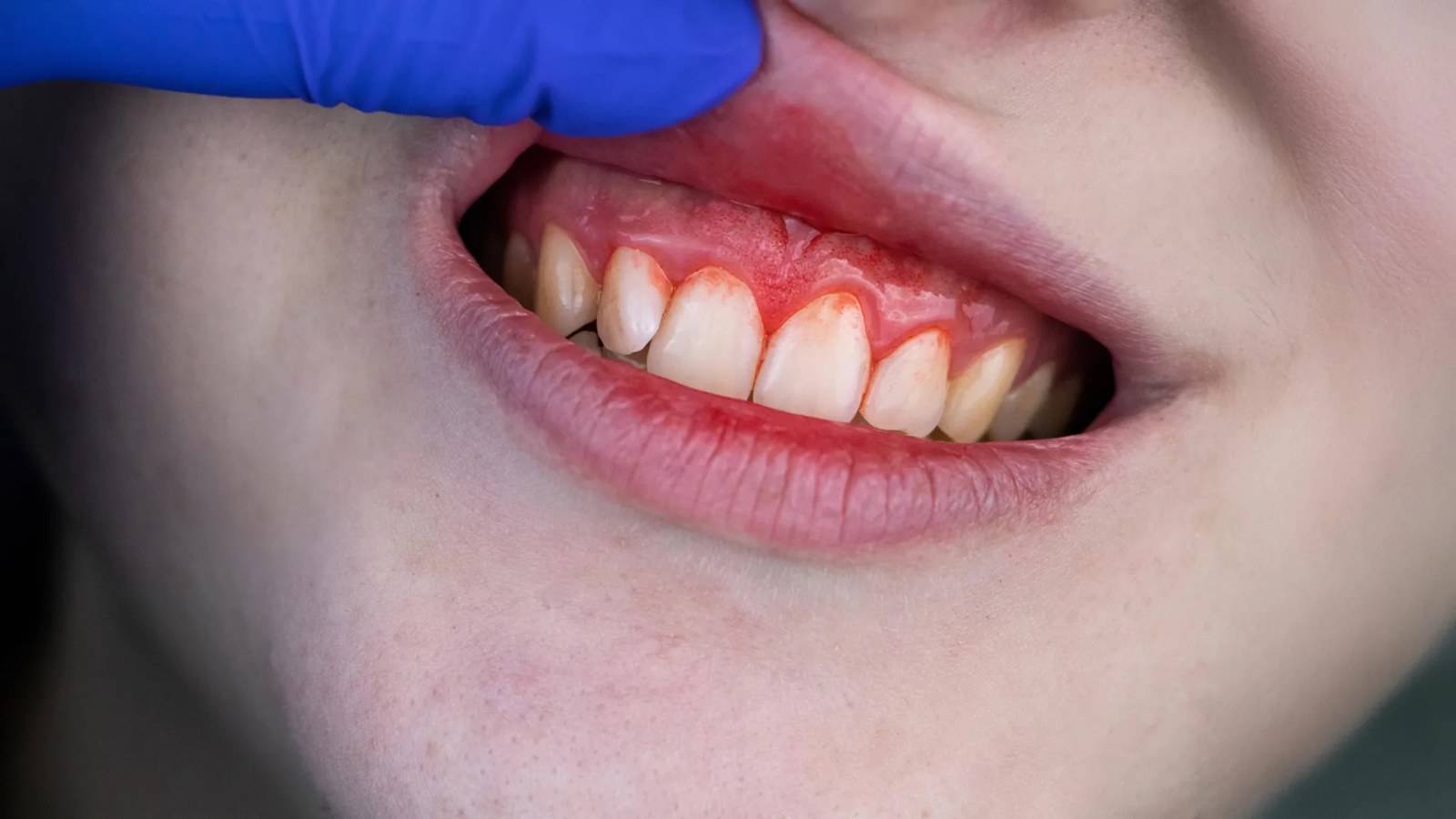
Periodontitis is an inflammatory disease of the tissues surrounding the teeth. In severe cases, it can lead to the destruction of bone tissue and tooth loss.
The study results were published in the Journal of Translational Medicine. The method has so far only been tested in the laboratory and on animals. Clinical trials will be required to assess its effectiveness and safety in humans.