NVIDIA to help make neuroimplants for speech restoration more compact
The American company NVIDIA has entered into a partnership with neurointerface developer Paradromics. The joint effort aims to create more compact devices that will help people with speech impairments communicate using brain signals.
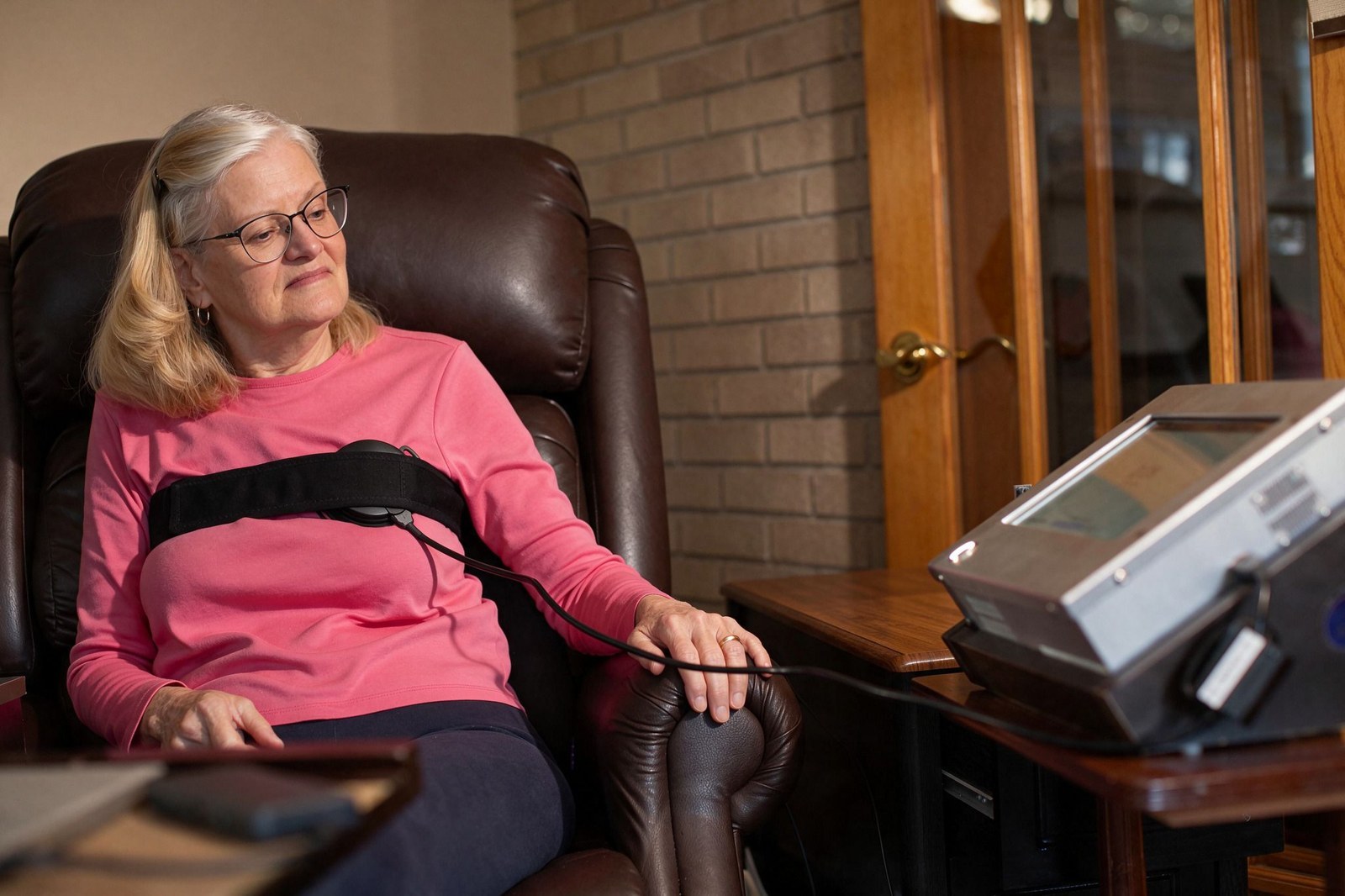
Paradromics' technology allows reading the brain's electrical activity and, using artificial intelligence, converting it into words. The company's implant is equipped with over 400 electrodes that record nerve cell signals. A computer analyzes them, displays the presumed speech on a screen, and vocalizes it.
Currently, processing the data requires bulky equipment that limits user mobility. NVIDIA will provide the Jetson computing module and the Holoscan software platform, which will enable signal processing to be transferred to a small device near the user.
The partners also plan to use artificial intelligence models to make synthesized speech more natural and expressive. With local data processing, the device will be able to operate without a constant internet connection.
According to WIRED, NVIDIA is also collaborating with the company Synchron, which is developing its own neurointerfaces. The company states that it will not access users' brain activity data.